

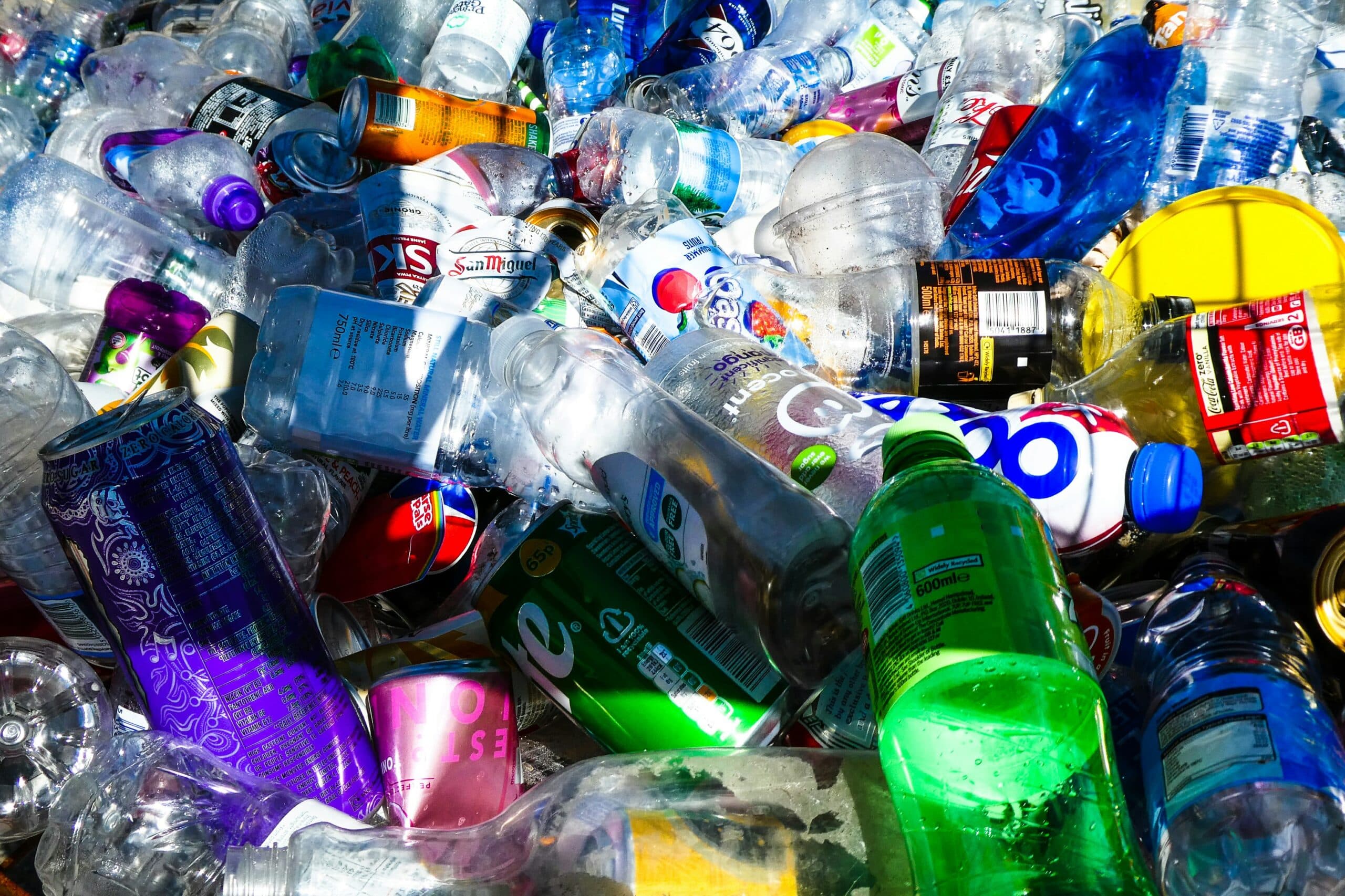
Why should you care about plastic pollution?
Thanks to The Plastic Free Foundation, the month of July is known around the world as “Plastic-Free July.” This month, individuals are uniting to stand up against an increasingly plastic society by choosing to limit their use of single-use plastics in their daily lives. Here in the United States, plastic covers almost every item in our routines. From grocery bags to shipping packaging, all of our favorite products are encased in plastic.
You may be wondering: why is plastic so detrimental to our environment? Without taking a closer look, plastic may seem completely harmless. It is easy to use, easy to dispose of, and keeps products clean and sanitary. However, the issue arises when these plastics are continuously made and discarded. Plastic, an inorganic material, is not easily broken down by bacteria, and until recently there hasn’t been much research on biodegradable plastic materials. Check out this resource from BBC for information on the composition of plastic and its relevance to its impact on the environment today. In other words, single-use plastics can remain in our environment for up to 500 years. Most plastics are unable to decompose, so over time they break up into smaller pieces and stay in our ecosystems.
According to PBS News, the world creates 57 million tons of plastic pollution each year. This pollution has infiltrated every environment on Earth, strangling previously thriving ecosystems. It can be easy to forget about the plastic waste problem when it is out of sight. For some of us, our local environments are relatively clean thanks to proper waste management systems; however, this is not the case for everyone. According to the article, “Plastic’s life-cycle costs overwhelmingly fall on poor countries,” by Grist, developing countries such as Brazil, Ethiopia, and Fiji are feeling the effects of plastic pollution to a much greater extent than other countries around the world. This issue is not due to these countries generating more plastic. Instead, it is a result of the lack of proper resources to stop plastic waste from contaminating their environment.
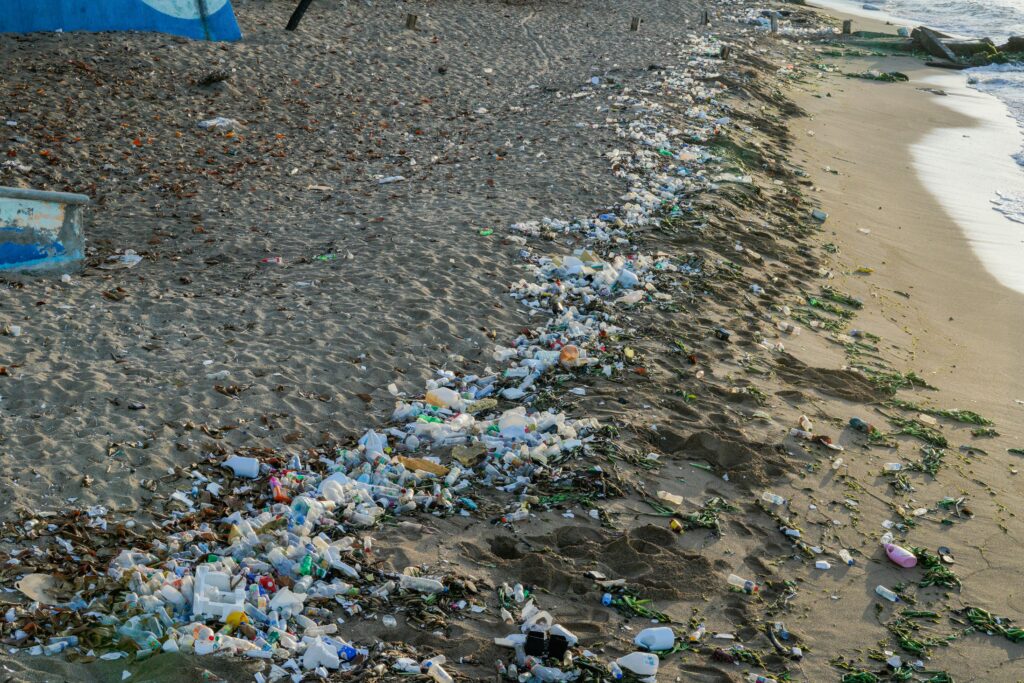
While plastic pollution might not be as visible as heavily polluted beaches and waterways, it is present everywhere you look. Here in the United States, the disparity in levels of plastic pollution across different communities is clear. Poorer communities and those living near plastic facilities are more heavily impacted. Therefore, plastic pollution is not just an environmental health issue but also an environmental justice concern. All people have the innate right to live in a clean and well-managed environment free from pollutants. Similarly, between California and Hawaii lies a collection of trash known as the Great Pacific Garbage Patch. This patch is estimated to be nearly twice the size of the state of Texas. Your trash doesn’t disappear. When you leave your plastic on the beach or outside your home, it will eventually enter our ecosystem and cause damage for centuries ahead. Just because this problem is out of sight, doesn’t mean it should be out of mind.
With all this said, it is our responsibility to limit single-use plastics in our daily lives through eco-friendly swaps and mindful purchases. Continue reading to learn about our team’s suggestions on how to get started limiting your contribution to plastic pollution.
How Can the Individual Make a Difference?
With so much plastic being produced globally, it can be overwhelming to consider how an individual can make a meaningful difference. JouleBug has worked with numerous companies and organizations to curate culture-aligned actions that guide people on the small and big ways they can reduce plastic use in everyday life. Additionally, the JouleBug experience highlights the importance of collective action, inspiring one another, and amplifying small changes to create significant change. To make a significant difference, all you have to do is get involved.
Our recommendation is to begin with an audit of three key aspects of daily life that are generally shared across many people and cultures: kitchen, bathroom, and lifestyle. The audit is a chance to find eco-friendly alternatives that reduce plastic use.
Kitchen
For many people, the kitchen is the heart of the home, the place of gathering, where they try new recipes, and share stories of the day with family members. It’s the doorway to our nutrition and sustenance. Here are seven simple swaps you can make to reduce your plastic waste during meal time:
- Pack your lunch in a stainless steel box and skip the ziploc bag
- Purchase reusable kitchen utensils and dishware.
- Invest in a reusable waterbottle and ditch plastic bottles.
- Consider purchasing liquid dish soap to avoid plastic covered tide pods.
- Choose to purchase or reuse glass food containers instead of plastic tupperware
- Give your plastic bags new life by using them for multiple purposes
- Choose bar soap over liquid soap to avoid plastic packaging

Bathroom
You don’t have to sacrifice hygiene to maintain your plastic-free lifestyle. In fact, companies will market disposable items as being more hygienic, but that is not the case. With proper maintenance, reusable bathroom supplies are just as clean and sanitary as disposable ones. Here are six simple swaps you can make:
- Try out toothpaste tabs, such as Bite Toothpaste Tabs, instead of traditional toothpaste.
- Purchase bar hand soap to avoid plastic packaging.
- Consider buying Plastic-free floss such as bamboo floss from the Zero Waste Store.
- Choose to purchase reusable razors such as ones from Hanni.
- Opt for refillable skincare brands such as Wild Deodorant.
- Buy shampoo and conditioner bars instead of bottles from companies such as The Earthling Co.

Lifestyle
Once you start noticing the amount of plastic in our daily lives, you realize how unnecessary it has become. Reducing plastic waste doesn’t have to be costly or time-consuming. Simple swaps and mindful buying can make a big difference. Here are six actions you can take in your daily life to reduce single-use plastics:
- Utilize reusable bags or opt for paper bags when out shopping.
- Skip produce bags. Place fruits and vegetables directly in your cart and then in your reusable bags to transport home.
- Reuse what you have. Some plastic containers are unavoidable purchases. To prevent these plastic materials from entering ecosystems, find another purpose for them and extend their life cycles.
- Invest in powdered laundry detergent from brands such as Rustic Strength
- Avoid purchasing new clothes and opt for thrifted items.
- When shopping, check for products made from recycled, compostable, or biodegradable materials.
The World is Behind You.
You are not alone. Millions of others around the world echo your intention and commitment to making a difference. Now it’s time to translate intention into action, and if you’re already taking action, invite others to join you! The world is ready to support a plastic-free future and July is just the beginning. Here are three initiatives you can get involved in this month:
- JouleBug’s “Beat Plastic Pollution” Challenge. This challenge aims to inspire individuals to cut back on their use of plastic and avoid plastic materials from entering the ecosystem. Join the challenge on the JouleBug app and start logging over 25 unique actions to make an impact.
- Columbus Zoo and Aquarium’s “W.I.L.D. Zero-Waste Challenge 2025.” Running July 1–31, this annual zero-waste challenge empowers people to track and improve their eco-friendly habits using the JouleBug app, available for free on iOS and Android. Users can log over 140 sustainable actions that reduce single-use plastics, minimize waste, and support long-term environmental health—making it easier than ever to live more sustainably. Join the challenge by using the access code: WILD2025 and hear more about the challenge from Columbus Zoo and Aquarium’s
- The Sustainability Alliance TerraScores’ “Plastic-Free July” Challenge. This challenge is available to users who download the TerraScore app. Users have the opportunity to log plastic-free actions which support the environment and promote a climate forward future.
Reach out to the JouleBug team today to explore innovative ways to use the app to drive impactful sustainability initiatives across your organization.