
Remember the old saying, “The squeaky wheel gets the grease?" The loudest symptoms of climate change receive the most attention. Issues such as sea level rise, damage to infrastructure, and interpersonal conflict consume majority of the attention on the dangerous nature of climate change. It is common to believe that these are the only effects a warming climate will have on our daily life, but there are other hidden side effects of a warming climate which could go unnoticed until its too late. Warming temperatures not only make your day uncomfortable, but it changes weather patterns, negatively impacts agriculture, and impairs the success of wildlife.
The tone of this blog post is a little more serious than usual because we need immediate action. With hurricane season upon us, consecutive days with record breaking temperatures rising, and the symptoms of a changing climate becoming increasingly evident, the time for individual action is now. Just because you aren’t experiencing the effects first hand does not mean you are free to carry on as usual. Individual action from a large group of people has the power to change the world.
According to the United States Protection Agency, nine of the top ten warmest years on record have occurred since 1998. The fact is our climate is changing as a result of our harmful behavior. All facets of life will experience the consequences of a changing climate. In this blog post, we will be diving head first into three unexpected areas where the effects of climate change are observable in hopes you are inspired to make a change.
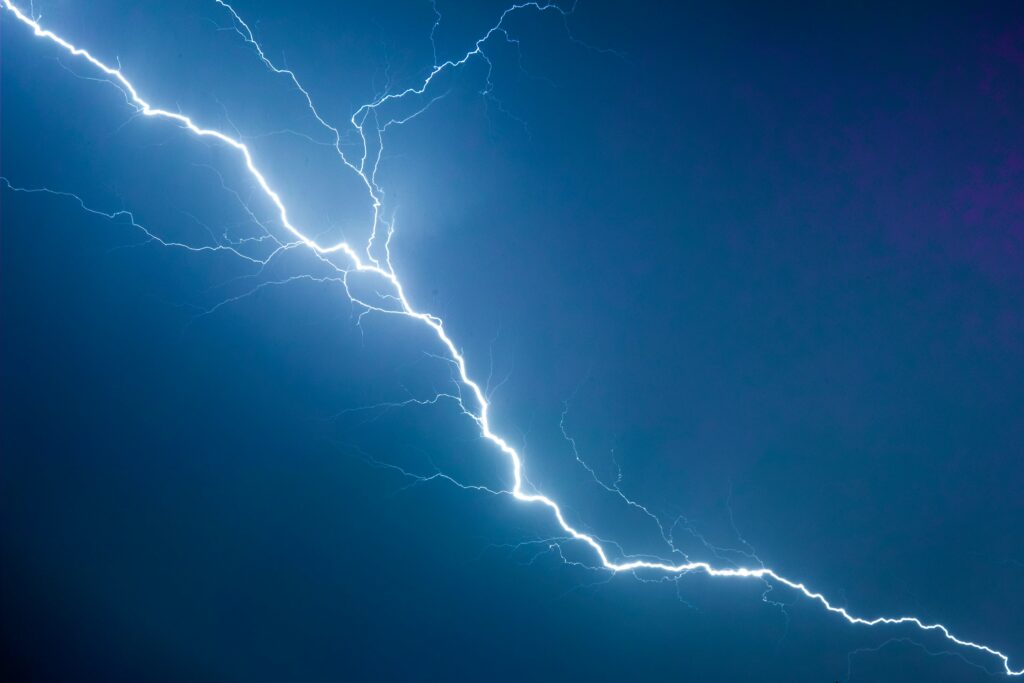
Extreme Weather Events Becoming the Norm Instead of the Exception
Hurricane Helene and the California wildfires were some of the many devastating natural disasters that wreaked havoc on our backyards. NASA argues that the increase in intensity and frequency of devastating natural disasters is a direct result of a changing climate.
The emission of greenhouse gasses, like carbon dioxide, methane and ozone, trap warm air in the atmosphere and result in warmer air and ocean temperatures; meaning more precipitation, stronger storms, and more variable weather patterns.
More precipitation is not the only symptom of climate change we can expect to see in our country. While the east coast faces devastating tidal surges, extreme flooding, and high winds, the west coast is battling wildfires. Many locations around the world and in our country are prone to hot and dry weather conditions. These conditions are exacerbated by climate change. This means that at our current rate, wildfires will become more frequent and continue to destroy communities at a faster rate.
The change we hope to see won’t happen overnight. In order to correct decades worth of damage, we must see systemic changes that put the health of our climate first. Vote smart and keep climate policy in mind. In the meantime, be there for your neighbor. In times of need, volunteer your time and supplies to support your neighbors in rebuilding after natural disasters.
The Effects of a Changing Climate on Agriculture and Food Supply
Climate breakdown can be seen everywhere you look, including in agriculture and our food supply. Threats to agriculture are one of the many dangerous symptoms of climate breakdown.
While a warming climate can lengthen growing seasons in some areas, this unnatural schedule increases costs for farmers and has unintended consequences on surrounding areas. Here is a list of unintended consequences of a changing climate on agriculture:
- Increased disease and pests in crops.
- Damages to crop yields due to wildfires.
- Increased chemical runoff from an uptake in rainfall. Excess runoff causes hypoxia in water systems.
- Nearly 100 crops depend on pollination in the United States. Higher temperatures lead to early crop blooming. Early blooms throw off the pollination schedule.
- Increased temperatures make working conditions dangerous for farmers.
According to the Farm Bureau, one US farm feeds about 169 people annually in the US and abroad. If our farms continue to experience these symptoms of climate change, our food supply will be impacted. The typical grocery store trip will look dramatically different with shortages and limited variety becoming the norm.
You don’t have to own a farm to contribute to preserving agriculture and the health of our food supply. Here is a short list of of ways you can make a difference:
- Reduce food waste: limit the amount of food scraps you throw out. Consider implementing composting into your daily routine to turn your waste into a valuable resource.
- Shop responsibly: purchase crops that are in season and grown locally. This reduces the emissions from shipping produce across the country.
- Start gardening: consider taking up a new hobby and growing your own produce. This practice promotes soil health and limits carbon emissions.
Check out the resource from The Environmental Protection Agency titled, “Climate Change Impacts on Agriculture and Food Supply,” for more information.
Wildlife is Not Immune to a Changing Climate
If you are hot, the animals in your backyard are as well. The difference between your discomfort and theirs is that they don’t have a home with air conditioning to return to. Their home consists of the trees, plants, and waterways that decorate your backyard. A warmer climate alters the natural landscape of most ecosystems.
A warmer ecosystem forces native species to quickly adapt. In some cases, these species fail to grow accustom to a new environment and are out competed by invasive species. So, continueing to allow human efforts to negatively affect wildlife will result in the disappearance of native wildlife and plant species.
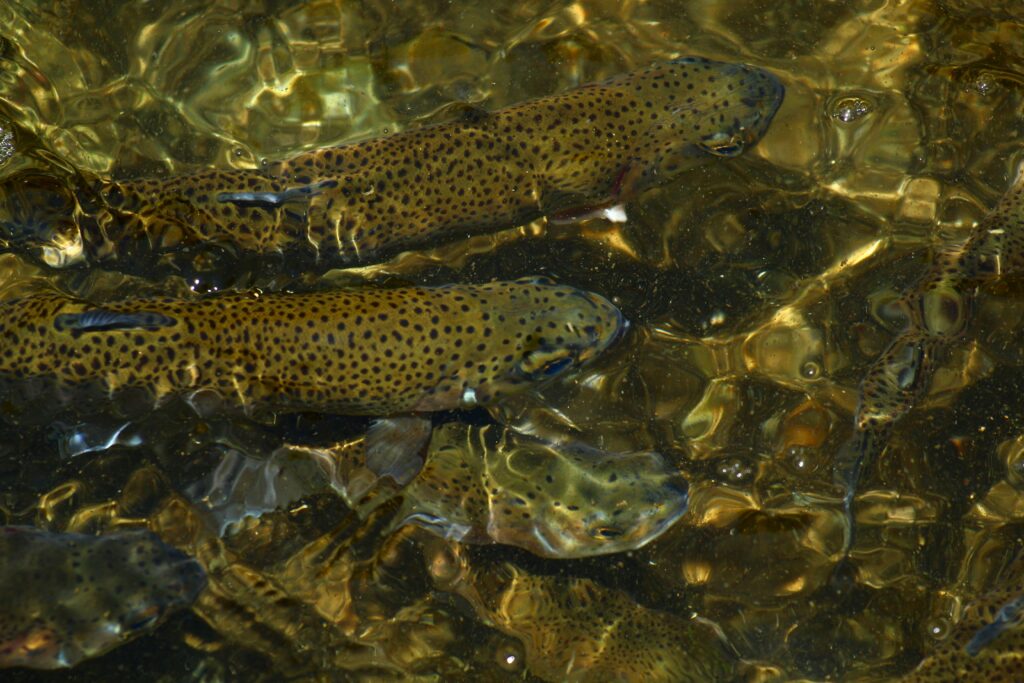
A study from the US Geological Survey found that the invasive species of European Brown Trout are able to outcompete native species of Brook Trout in warmer stream temperatures in North America. Scientists found that when competing for resources in a warmer environment, the native species of Brook Trout struggle to find food in the warmer areas of the stream when Brown Trout are present.
The competition between Brook and Brown Trout in North America is one of many examples of invasive species being better equipped to deal with a changing climate in ecosystems. So, if you don’t feel compelled to fight for environmental protections for yourself, do it for the organisms that depend on it for survival.
Reach out to the JouleBug team today to explore innovative ways to use the app to drive impactful sustainability initiatives across your organization.